
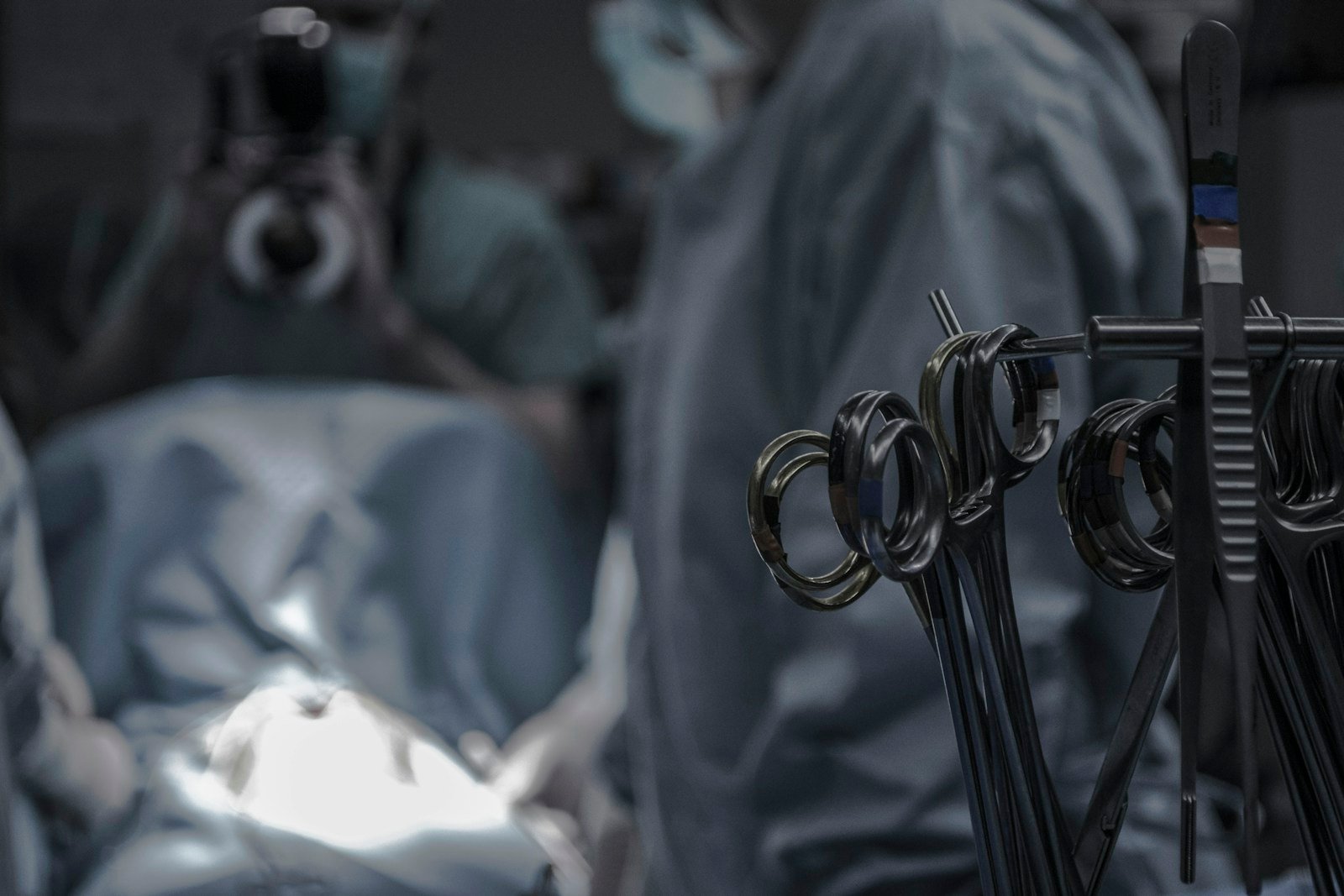
Quality in instrument manufacturing is not a single checkpoint at the end of the line — it is a sequence of checks that starts before production and ends at export packing. Here is how that typically breaks down.
Specification review
Before production starts, pattern, dimensions, material, hardness, finish, marking, and packing requirements are reviewed against the confirmed order. This is the stage where a mismatch between what was quoted and what was ordered gets caught cheaply — before any material has been cut.
In-process controls
Depending on the instrument, production stages can include forging, machining, heat treatment, grinding, polishing, passivation, and assembly. Checks at each stage — hardness testing after heat treatment, dimensional checks after machining, surface inspection after polishing — catch issues while they are still cheap to correct, rather than waiting to find them at final inspection.
Final inspection
Before packing, instruments are checked against the confirmed order for visual finish, dimensions, function (does a ratchet lock properly, do jaws align, does a hinge move freely), cleanliness, marking accuracy, and quantity. This is also where any private label marking or catalog numbering gets verified against approved artwork.
Buyer-specific inspection
Some buyers request additional steps beyond internal quality control — third-party inspection before shipment, sample retention, a documented inspection report, or a controlled approval stage before the full order is packed. These can be arranged and are worth discussing at quotation stage if your internal procurement process requires them, rather than requested after production has started.
Why the sequence matters
The value of catching an issue at specification review versus final inspection is enormous — a wrong steel grade caught before cutting starts costs nothing; the same issue caught in a finished, marked, packed instrument means rework or scrap. That is the practical argument for treating quality control as a sequence across the whole production process rather than a single inspection at the end.