
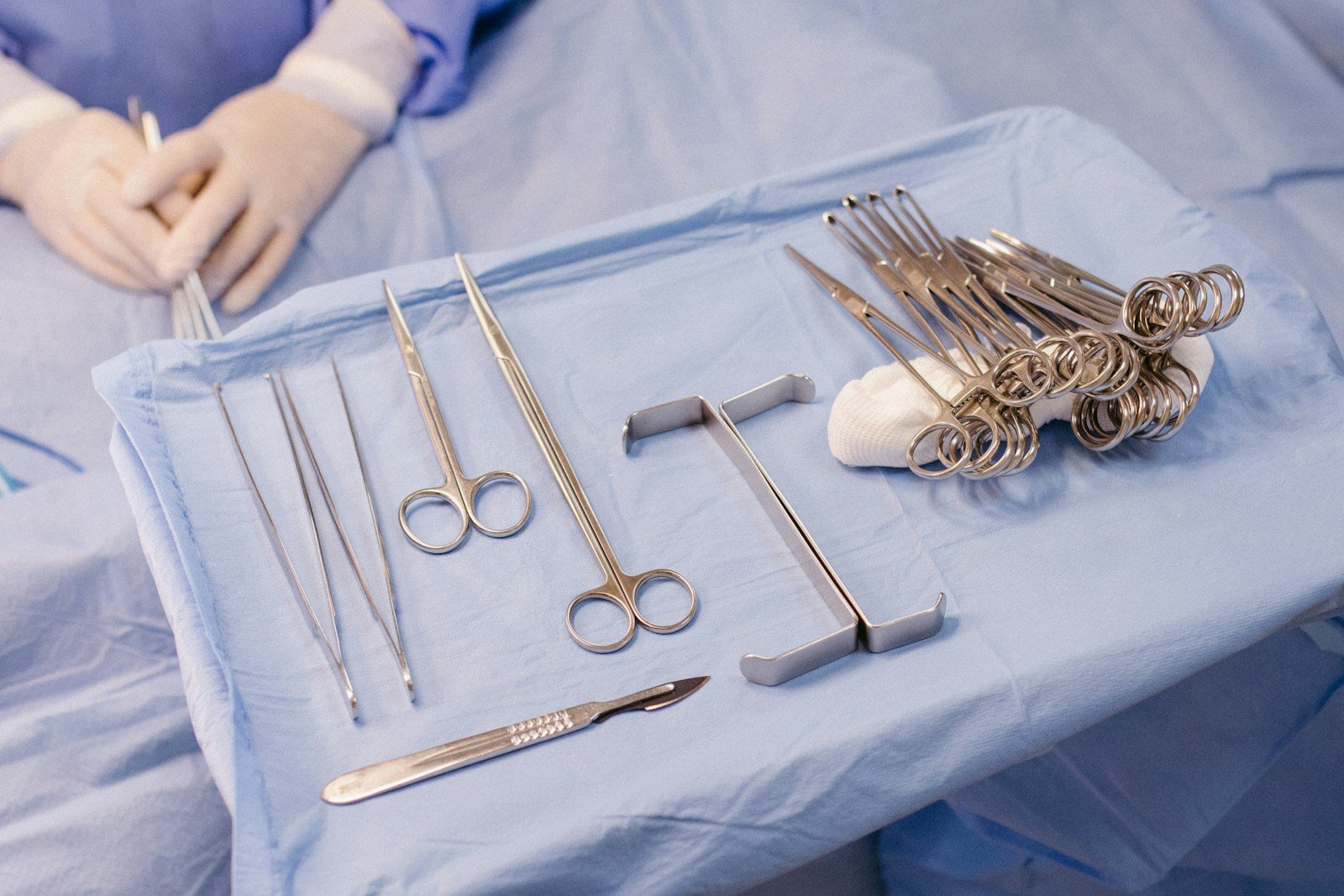
Sialkot, in Punjab, Pakistan, is one of the world's most established manufacturing centers for surgical and orthopedic instruments — a reputation built over more than a century of accumulated craft skill, supplier networks, and manufacturing infrastructure concentrated in one region.
How the industry took shape
Instrument manufacturing in the region grew out of a broader metalworking tradition, developing through the twentieth century into a dense network of forging, machining, grinding, and finishing workshops, many of them family-owned businesses passing skills and equipment down through generations. That concentration of specialized suppliers — steel, tooling, plating, packing — is part of what allows manufacturers in the city to produce a very wide range of instrument patterns without each workshop needing to do everything in-house.
Aadab International's place in that history
Aadab International was founded in 1942 and is now run by the third generation of the same family, manufacturing reusable orthopedic and surgical instruments for export. Being factory-direct — rather than a trading company relaying orders to a separate production facility — means the people quoting an order are the same people who manage production, in-process inspection, and export packing.
What continuity actually buys a buyer
Eighty-plus years in one location, under one family, means accumulated pattern knowledge that is hard to replicate quickly — which steel and heat treatment combinations work for which instrument, which finish holds up in which climate, how a specific pattern has evolved based on decades of surgeon feedback relayed through export customers. That institutional memory is one of the genuine, if less visible, advantages of working with an established manufacturer over a newer entrant to the industry.
Where the industry is headed
Global demand for orthopedic and trauma instrumentation continues to grow alongside expanding surgical capacity in many markets, and Sialkot's manufacturers — including established, factory-direct exporters — continue to be a significant part of that global supply chain. For our part, that means continuing to invest in the same fundamentals that got us this far: pattern accuracy, material quality, and being straightforward with buyers about what we can and cannot deliver on a given order.